
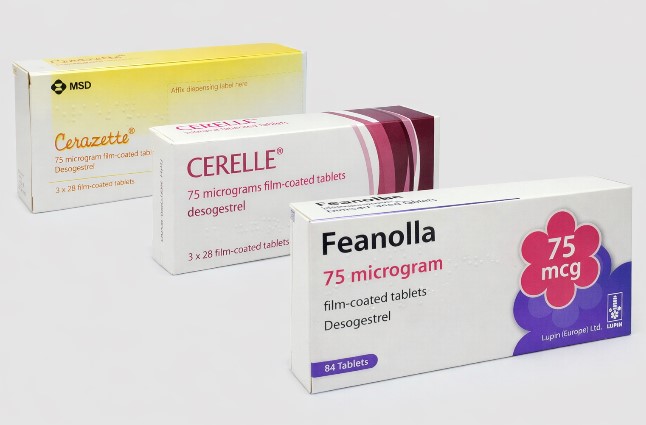

Progesterone-Only Pill (Mini Pill): A Guide to Effectiveness, Benefits, Side Effects & Usage
The progesterone-only pill (POP), also known as the mini pill or progestogen-only contraceptive pill, is a widely used, safe, and flexible birth control pill option for women who want effective contraception without estrogen.
The progesterone-only pill works primarily by preventing ovulation in many users, thickening cervical mucus to block sperm, and thinning the uterine lining to reduce the chance of implantation.
This guide covers how progesterone-only pills work, their effectiveness, who can use them, common side effects, and answers the most frequently searched questions about the mini pill to help you make an informed decision.
How Do Progesterone-Only Pills (Mini Pills) Work?
Progesterone-only contraceptive pills prevent pregnancy in three main ways:
- Preventing ovulation — Some mini pills stop your ovaries from releasing an egg; this effect may vary depending on the type of POP and individual response.
- Thickening cervical mucus — This makes it much harder for sperm to swim through the cervix and reach an egg.
- Thinning the endometrial (uterine) lining — If an egg is fertilized, it is less likely to successfully implant in the womb.
These mechanisms make progesterone-only pills a great option for those who want hormone contraception without estrogen.
Effectiveness of Progesterone-Only Pills
When taken perfectly, progesterone-only pills are over 99% effective at preventing pregnancy. With typical use, effectiveness drops to around 91%—mainly due to missed or late pills. Taking your POP at the same time every day is crucial for maximum protection. Set daily reminders or link your mini pill to a routine (like brushing your teeth) to reduce the risk of missed doses.
How to Take the Progesterone-Only Pill
Take one progesterone-only pill every day at the same time, with no breaks between packs.
Missed Progesterone-Only Pills—What to Do?
If you are more than 3 hours late (traditional POPs) or 12 hours late (newer types), take the missed pill as soon as you remember. Use backup contraception (like condoms) for 48 hours after a late or missed pill. Each brand of progesterone-only pill may have slightly different instructions, so always check your pack. Contact a healthcare provider if you’re unsure what to do after a missed dose.
Top Benefits of the Mini Pill
Many people choose the mini pill for its flexibility and suitability for more users:
- May stop your period, which some people find convenient
- Safe for people with a high BMI
- Suitable for those who cannot take estrogen (e.g., people with migraines)
- Safe to use while breastfeeding
- Can be used continuously long-term, with no scheduled breaks
These benefits make the progesterone-only pill one of the most inclusive and adaptable contraceptive pills available.
Potential Side Effects of Progesterone-Only Pills
Most people tolerate POPs well, but side effects can happen, especially when starting:
- Acne or changes in skin condition
- Irregular bleeding or spotting (usually settles after a few months)
- Breast tenderness
- Mood changes — current evidence does not show a consistent impact on mental health however
- Nausea
Most side effects improve as your body adjusts. If they persist, consult your provider about trying a different progesterone-only contraceptive or another birth control method.
Who Should Not Use Progesterone-Only Pills?
Progesterone-only pills are safe for most users, even those with higher BMI or heart issues. However, avoid POPs if you have:
- Liver disease (such as cirrhosis)
- Active breast cancer*
- Certain kidney-related conditions
- Unexplained prolonged vaginal bleeding (over 14 days)
*If you are in remission from breast cancer, progesterone-only pills are usually not recommended unless your specialist advises otherwise.
Cancer Risks and Protective Effects with Progesterone-Only Pills
Studies show a small increase in breast cancer risk with progestogen-only contraceptive pills. The reported absolute excess risk is 0.265%. This means that out of a given population, about 0.265% more people may develop breast cancer while using the mini pill compared to those not using it. This is an additional risk, not the total risk of breast cancer.
There is no evidence that progesterone-only pills increase the risk of ovarian or cervical cancer. Limited research suggests a protective effect against endometrial (womb) cancer.
Progesterone-Only Pill: FAQ
Can I get pregnant if I miss a mini pill?
Yes, missing or taking your progesterone-only pill late increases your risk of pregnancy. Take the missed pill as soon as you remember and use backup contraception for 48 hours.
Will the mini pill impact my fertility?
No. Fertility typically returns quickly after stopping the progesterone-only pill.
Do I need to take breaks from the mini pill?
No. You can use progesterone-only pills for many years unless your healthcare provider advises otherwise.
Getting Started with the Progesterone-Only Pill at Nora Health
Nora Health provides free consultations to help you select the best birth control pill or contraceptive method for your needs. Our clinicians will review your medical history, answer your questions, and guide you in choosing the right progesterone-only pill or other contraception. Book a free appointment to discuss your options.
References